
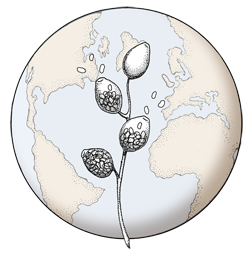

Ovoid, semi-papillate sporangia showing sympodial development of sporangiophore
Photo Gallery
Site will be retired 9/1/2026
This site is no longer being developed and will be retired on September 1, 2026. Please contact us if you have any questions or would like to provide support to continue the project.
|
P. nemorosa sporangia  |
P. cactorum sporangia  P. cactorum sporangia |
P. cactorum bleeding canker 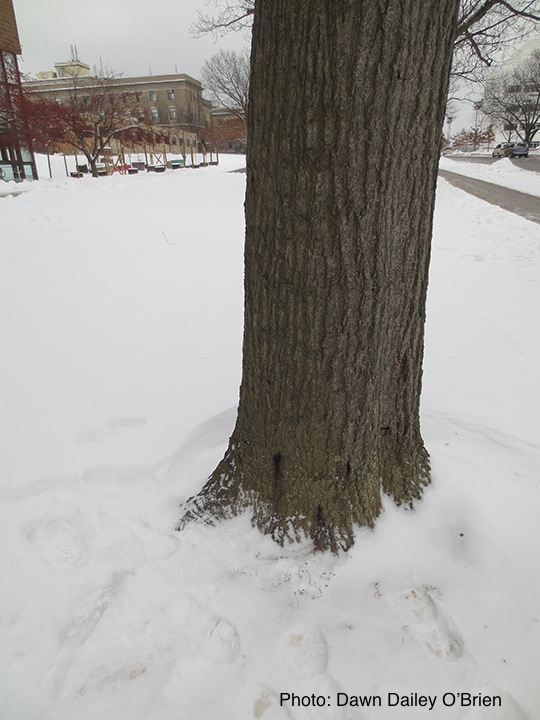 Bleeding canker on red oak (Quercus rubra) |
|
P. tentaculata disease symptoms on California mugwort 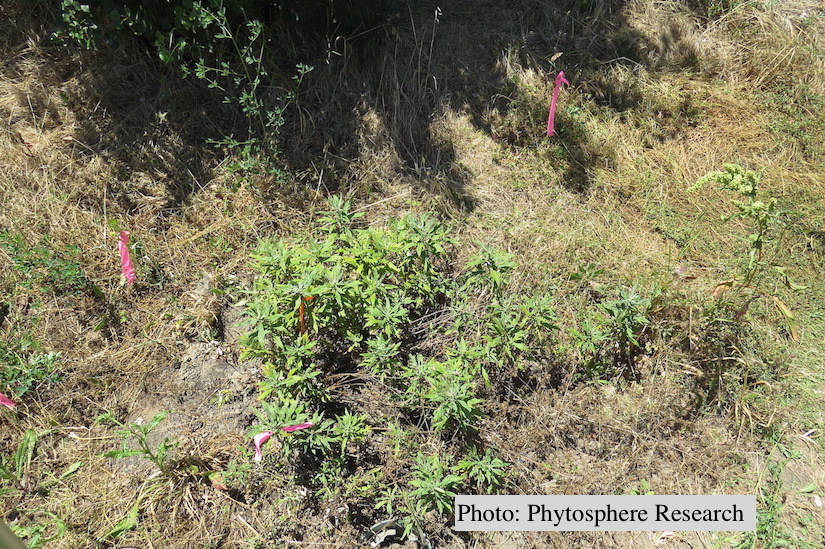 Outplanted California mugwort (Artemisia douglasiana) infected with P. tentaculata, 4.5 years after planting. Plant shows stunting and chlorosis. (P. cryptogea and P. lacustris were also baited from roots/soil of this plant). |
P. pinifolia sporangia 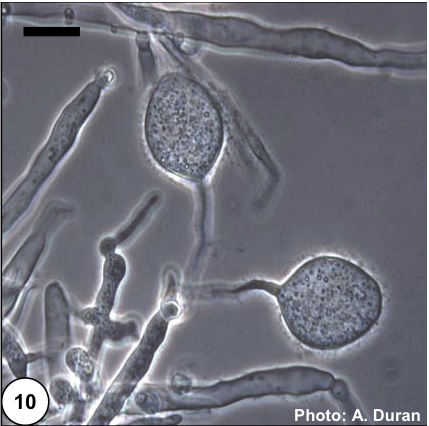 Non- papillate and caducous sporangia of Phytophthora pinifolia isolated from the infected P. radiata needles. |
P. tentaculata on V-8 media 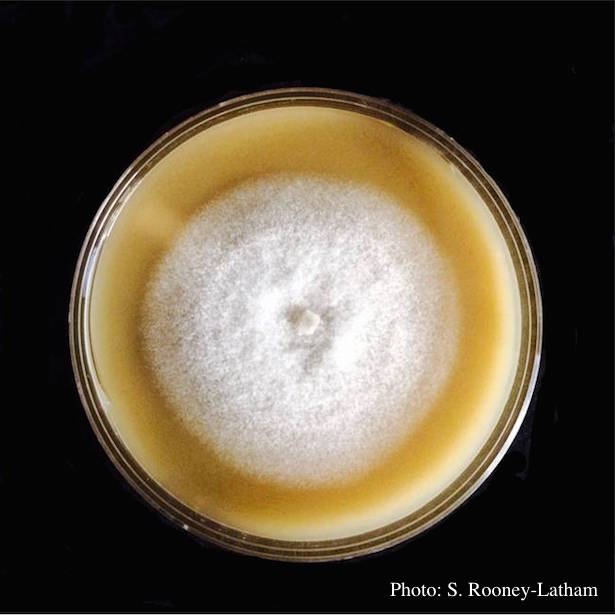 Culture of P. tentaculata on V-8 media |
|
Growth of P. arenaria on CA  Colony morphology of Phytophthora arenaria after 7 days at 20°C on carrot agar |
P. pluvialis sporangium 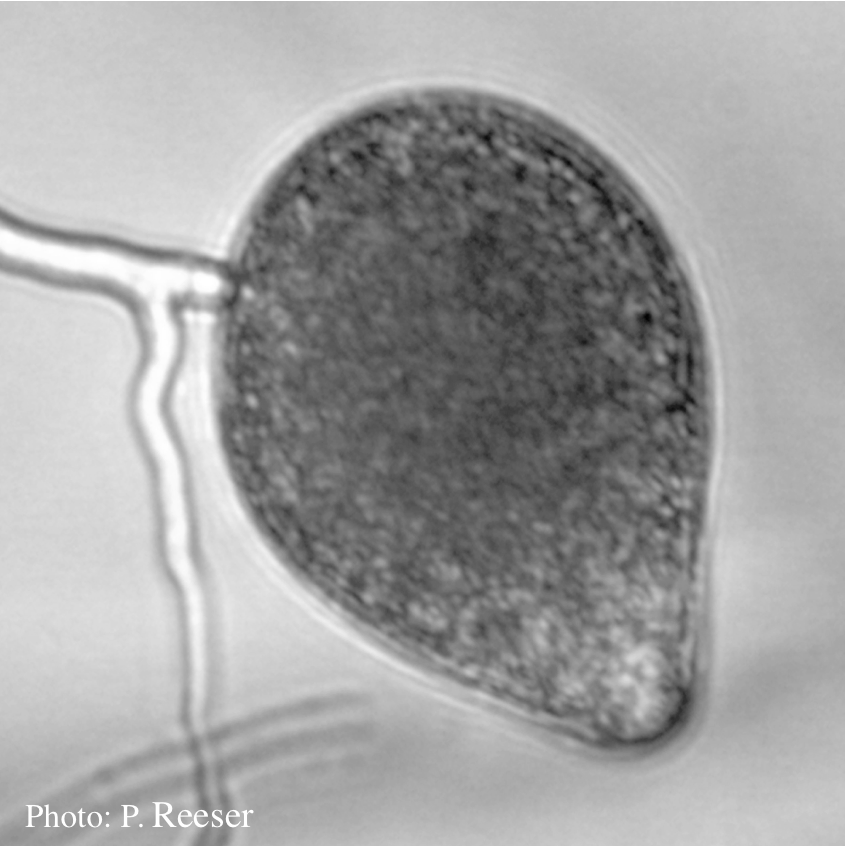 Sporangia showing typical ovoid shape and semi-papillate condition |
P. pinifolia hyphal growth 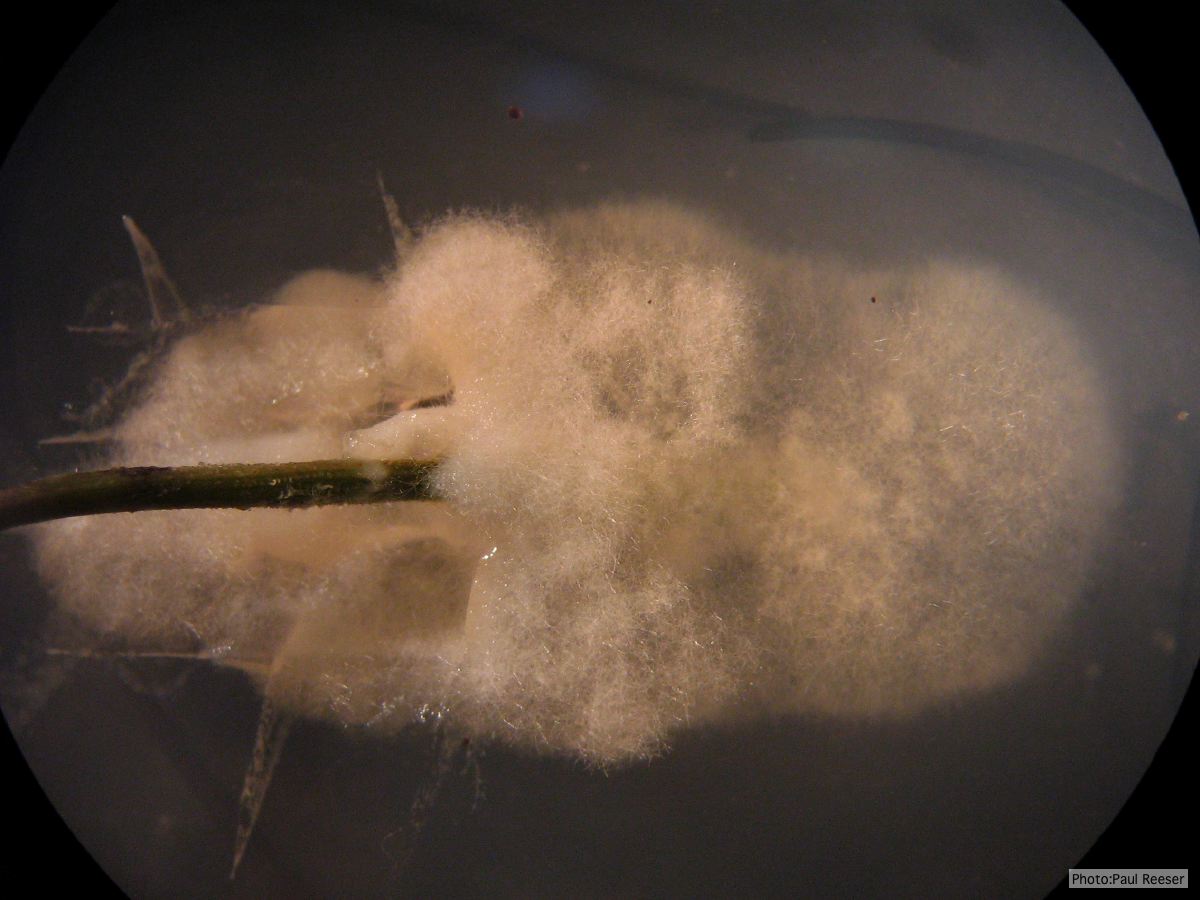 P. pinifolia pathogen growing from infected needle on selective agar |
|
P. pluvialis colony morphology on carrot agar  Colony morphology on carrot agar at 20 days |
Phytophthora taxon Agathis bole canker  Kauri tree in New Zealand with disease symptoms |
P. cinnamomi cork oak decline  Cork oak decline, Portugal |